
How to Stop Osteoporosis from Getting Worse: Proven Strategies for Stronger Bones
If you’ve been diagnosed with osteoporosis, you might be wondering: “How can I stop bone loss and protect my bones?” The good news is that osteoporosis can be managed—and even improved—with the right approach

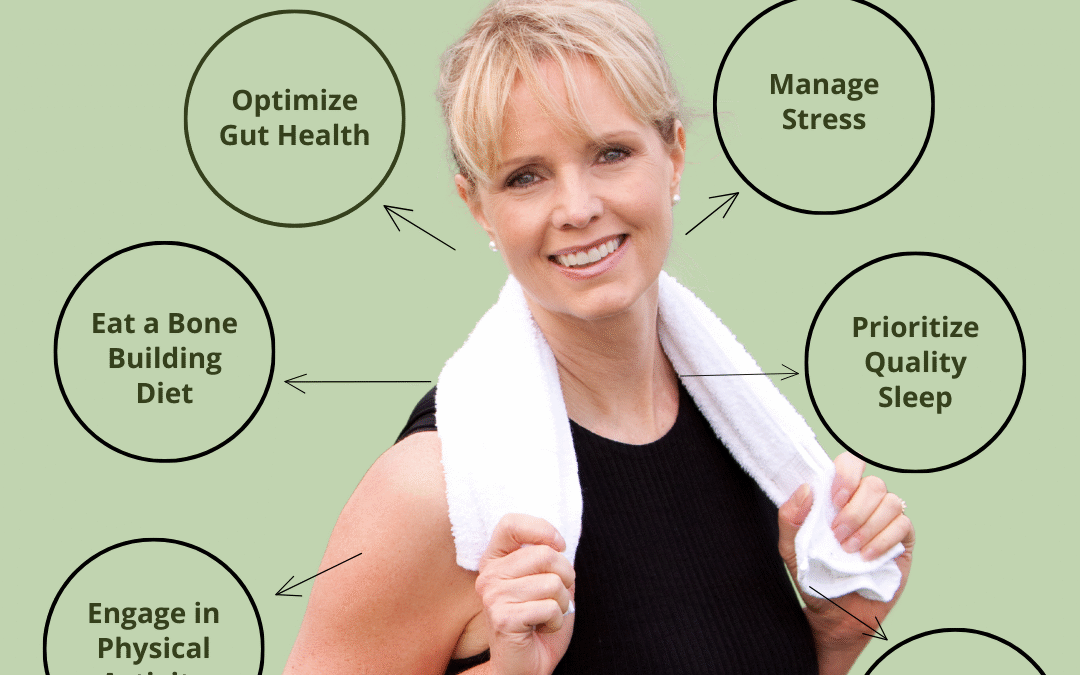
While medications are often prescribed, lifestyle choices play a critical role in strengthening your bones naturally. A comprehensive strategy includes nutrition, exercise, gut health, stress management, sleep, and targeted supplementation—all essential components of The BONES Method™ for optimal bone health.
Key Strategies to Prevent Osteoporosis from Worsening:
1. Eat a Bone-Strengthening Diet
Your diet directly affects bone density. Prioritize foods rich in calcium, vitamin D, magnesium, and collagen while reducing inflammatory foods that can weaken bones.
Best Foods for Bone Health
-
- Calcium-Rich Choices: Sardines, leafy greens (kale, bok choy), tahini, almonds, and fortified plant-based milks (National Institutes of Health).
- Vitamin D Sources: Salmon, egg yolks, mushrooms, and moderate sun exposure to enhance calcium absorption.
- Magnesium & Potassium: Avocados, bananas, nuts, and seeds help neutralize acids that deplete calcium (National Institutes of Health).
- Vitamin K2-Rich Foods: Gouda, Brie, Jarlsberg cheeses, egg yolks, and fermented foods like sauerkraut—all important for directing calcium to the bones instead of the arteries (Harvard T.H. Chan School of Public Health).
- Boron-Rich Foods: Prunes, raisins, dates, avocados, almonds, and walnuts to support calcium, magnesium, and vitamin D utilization for bone mineralization (Journal of Nutrition).
- Collagen-Boosting Foods: Bone broth, citrus fruits, and high-quality protein support bone matrix formation (Journal of the American College of Nutrition).
- Healthy Fats: Olive oil, avocado, and omega-3-rich fish help reduce inflammation and improve calcium absorption.
For a deeper dive into the key nutrients your bones need, check out our blog 5 Essential Nutrients for Strong Bones—And Why Calcium Isn’t Enough
Foods to Limit or Avoid
-
- Excess Sugar & Processed Foods: Can increase calcium loss and weaken bones (American Journal of Clinical Nutrition).
- Sodas & High Caffeine Intake: The phosphoric acid in soda may deplete bone minerals (Harvard Medical School).
- Refined Grains & Seed Oils: Increase inflammation and hinder nutrient absorption.
2. Engage in Strength Training & Weight-Bearing Exercise
Why Exercise is Crucial for Bone Health
Just like muscles, bones need stress to remain strong. Weight-bearing and resistance exercises stimulate new bone formation and slow down bone loss
Best Exercises for Osteoporosis
-
- Strength Training (Progressive Resistance Exercise – PRE): Squats, lunges, push-ups, and leg presses (American College of Sports Medicine).
- Weight-Bearing Cardio: Brisk walking, stair climbing, dancing, and hiking.
- Impact Training: Heel drops, hopping, and jumping to improve bone density.
- Balance & Posture Training: Tai Chi, yoga, and static and dynamic balance training exercises to reduce fall risk (Harvard Medical School).
Check out my Top Balance Exercises for Osteoporosis for step-by-step guidance.
Exercise Tip: Gradually increase resistance over time to keep challenging your bones safely.
3. Optimize Digestion & Gut Health for Better Nutrient Absorption
Your gut health determines how well your body absorbs bone-building nutrients. Support your microbiome and improve digestion to maximize bone support (American Journal of Clinical Nutrition).
-
- Fermented Foods: Sauerkraut, kimchi, and yogurt for a healthy gut microbiome.
- Boost Stomach Acid: Apple cider vinegar, lemon water, and digestive bitters improve nutrient absorption (Harvard Medical School).
- Avoid Processed Foods & Excess Sugar: They disrupt gut bacteria and may lead to nutrient deficiencies.
- Check for Gluten Sensitivity: Gluten intolerance can cause poor calcium, magnesium, and vitamin D absorption.
4. Prioritize Quality Sleep for Bone Repair
During sleep, your body releases growth hormones essential for bone remodeling. Poor sleep increases cortisol levels, which accelerates bone loss (National Sleep Foundation).
Tips for Better Sleep:
-
- Stick to a consistent sleep schedule (7-9 hours per night).
- Limit screen time before bed to prevent melatonin disruption.
- Try herbal teas like chamomile or valerian root for relaxation.
- Keep your room cool (65-67°F) for optimal sleep.
5. Manage Stress & Support Emotional Well-Being
Chronic stress increases cortisol, which can accelerate bone breakdown. Managing stress lowers inflammation and supports long-term bone health (Journal of Bone and Mineral Research).
Stress-Reducing Techniques:
-
- Deep Breathing Exercises: Try 4-7-8 breathing or alternate nostril breathing.
- Meditation & Mindfulness: Lowers stress hormones that affect bone density.
- Joyful Activities: Gardening, music, art, or spending time with loved ones.
6. Use Smart Supplementation for Bone Support
-
- Calcium (Citrate, Hydroxyapatite, or Algae-Based): Most absorbable forms for strong bones. Calculate how much calcium you are getting in your diet and supplement just enough to reach 1000 mg/day.
- Vitamin D3 + K2: Ensures calcium reaches bones instead of arteries. Have vitamin D levels checked to determine how much you need.
- Magnesium (Glycinate, Malate, Citrate): Essential for bone mineralization and reducing fracture risk (National Institutes of Health).
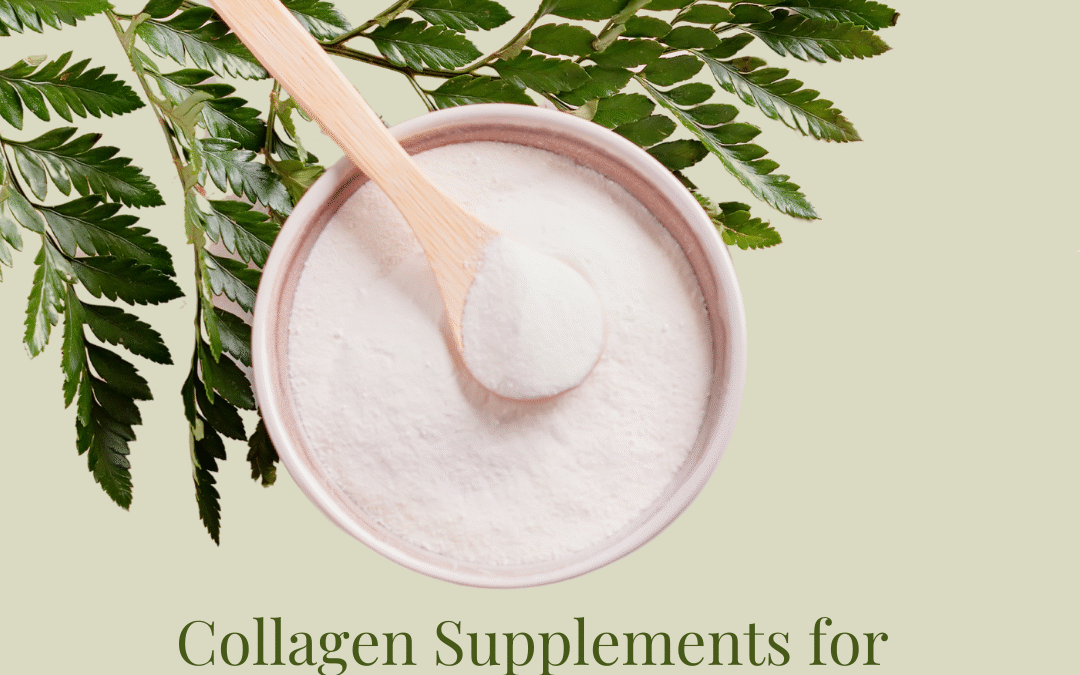
- Collagen Peptides: Provides building blocks for bone structure.
- Omega-3 Fatty Acids: Lowers inflammation linked to bone loss. Aim for 2000 mg/day.
Learn more about The Best Magnesium for Bone Health to find the right form for your needs.
The Bottom Line: Take Control of Your Bone Health
Preventing osteoporosis from getting worse isn’t just about calcium—it’s about whole-body health.
- Eat a nutrient-dense diet.
- Engage in strength training & weight-bearing exercise.
- Optimize digestion for better nutrient absorption.
- Prioritize sleep & stress resilience.
- Use targeted supplements for extra bone support.
These strategies help slow bone loss, strengthen bones, and reduce fracture risk—naturally.
Want a personalized osteoporosis prevention plan? Let’s work together to build your strongest bones yet! Schedule a consultation today.
References:
- American College of Sports Medicine (ACSM). Resistance Training and Bone Density.
https://journals.lww.com/acsm-msse/fulltext/2019/05000/acsm_s_guidelines_for_exercise_testing_and.18.aspx - American Journal of Clinical Nutrition. Gut Microbiome and Its Impact on Bone Health. https://academic.oup.com/ajcn/article/107/3/428/4965811
- Harvard Medical School. The Benefits of Lemon Water for Digestion.
https://www.health.harvard.edu/blog - Harvard T.H. Chan School of Public Health. Vitamin K and Bone Health.
https://www.hsph.harvard.edu/nutritionsource/vitamin-k/ - International Osteoporosis Foundation (IOF). Exercise Recommendations for Osteoporosis Prevention.
https://www.osteoporosis.foundation/ - Journal of Bone and Mineral Research. The Impact of Stress and Cortisol on Bone Density.
https://asbmr.onlinelibrary.wiley.com/doi/full/10.1002/jbmr.1695 - Journal of Nutrition. The Role of Boron in Bone Metabolism and Calcium Retention.
https://academic.oup.com/jn/article/126/suppl_4/1165S/4728983 - Journal of the American College of Nutrition. Magnesium’s Role in Bone Formation and Osteoporosis Prevention.
https://www.tandfonline.com/doi/abs/10.1080/07315724.2011.10719982 - National Institutes of Health (NIH). Calcium – Fact Sheet for Health Professionals.
https://ods.od.nih.gov/factsheets/Calcium-HealthProfessional/ - National Institutes of Health (NIH). Magnesium and Bone Health – Fact Sheet for Professionals.
https://ods.od.nih.gov/factsheets/Magnesium-HealthProfessional/ - National Institutes of Health (NIH). Vitamin D – Fact Sheet for Health Professionals.
https://ods.od.nih.gov/factsheets/VitaminD-HealthProfessional/ - National Sleep Foundation. The Role of Sleep in Bone Regeneration.
https://www.sleepfoundation.org/