Get your Bone Health Essentials supplements with 20% off!

Get them here

Get your Bone Health Essentials supplements with 20% off!

Get them here

The Power of Eggs for Bone Health: A Must-Have for Women with Osteoporosis

The Power of Eggs for Bone Health: A Must-Have for Women with Osteoporosis

As we age, maintaining strong bones becomes essential for overall well-being. Women with osteoporosis or those concerned about bone loss often search for natural dietary strategies to support their health. One simple yet powerful food that deserves attention? Eggs. Packed with high-quality protein, essential vitamins, and bioactive compounds, eggs are a versatile way to boost bone health and prevent osteoporosis-related fractures.

Eggs and Osteoporosis: A Nutritional Ally for Bone Strength

Eggs provide a unique combination of nutrients essential for bone health:

    • Vitamin D: One of the most important nutrients for bone health, vitamin D enhances calcium absorption in the intestines, ensuring it reaches the bones where it is needed. Eggs, particularly those from pasture-raised hens, provide a natural source of vitamin D, which is especially beneficial for individuals with limited sun exposure.
    • Protein: Eggs are an excellent source of high-quality protein, which provides the amino acids necessary for bone tissue formation and repair. Studies indicate that higher protein intake is linked to better bone mineral density, especially in older adults.
    • Choline: This essential nutrient supports cell membrane integrity and plays a role in reducing inflammation, which can contribute to bone loss over time.
    • Carotenoids: Antioxidants found in egg yolks that may help prevent bone loss.
    • Zinc: Essential for bone formation and remodeling, zinc helps stimulate bone-building cells (osteoblasts) and supports immune function, which plays a role in reducing inflammation that can contribute to bone loss.
    • Selenium: A powerful antioxidant, selenium protects bones from oxidative stress, which can accelerate bone loss. It also supports thyroid function, which is important for regulating metabolism and maintaining skeletal integrity.

A study published in the journal Food and Function found that individuals who consume eggs regularly tend to have higher bone mineral density levels and a lower risk of fractures. Given the importance of bone density in preventing osteoporosis-related fractures, adding eggs to your diet can be a valuable dietary strategy.

Eggs and Sarcopenia: Strengthening Muscles to Protect Your Bones

Eggs play a vital role in maintaining muscle health and preventing sarcopenia, the age-related loss of muscle mass and strength. Each large egg provides about 6.5 grams of high-quality protein, packed with leucine—an essential amino acid that stimulates muscle repair and growth.

Strong muscles are crucial for supporting your skeleton, enhancing balance, and reducing the risk of falls and fractures. Since falls are a leading cause of fractures in individuals with osteoporosis, preserving muscle strength is just as important as maintaining bone density.

By adding eggs to your diet, you can help sustain lean muscle mass, improve mobility, and stay strong and steady as you age.

How Many Eggs Per Day for Bone Health?

Many women with osteoporosis wonder: How many eggs per day are safe and beneficial? Research suggests that eating 1–2 eggs daily can be an easy and effective way to support bone strength and muscle health.

Studies indicate that regular egg consumption may help improve bone mineral density (BMD) without negatively affecting cardiovascular health in most people. In fact, moderate egg intake (around one to two whole eggs per day) has not been shown to significantly impact cholesterol levels in healthy individuals.

However, if you have high cholesterol or metabolic concerns, it’s always best to consult your healthcare provider for personalized guidance.

Healthiest Ways to Prepare Eggs for Maximum Bone and Muscle Support

The healthiest ways to cook eggs focus on preserving nutrients and minimizing oxidation of fats in the yolk.

    • Poaching: The top choice for nutrient preservation, poaching uses gentle heat and keeps the yolk runny, maintaining antioxidants like lutein and zeaxanthin.
    • Soft Boiling: Soft-boiling is another excellent method that offers similar benefits to poaching. It results in a hardened egg white with a runny yolk, preserving many of the egg’s nutrients.
    • Scrambling or Omelets: Scrambled eggs and omelets can be a good option when cooked gently over low heat. It’s recommended to cook them until slightly firm yet creamy to avoid overcooking and oxidizing essential nutrients and fatty acids in the broken yolks
    • Low-Heat Pan Frying (Sunny-Side Up): Frying eggs on low heat can be a good option if done carefully. Using a healthy fat like avocado oil can help minimize oxidation. However, it’s important to avoid overcooking, as this can lead to nutrient loss
    • Hard Boiling: While convenient for storage and meal prep, hard-boiling may lead to more nutrient loss compared to other methods due to prolonged exposure to heat. However, the differences in nutrient content between soft and hard-boiled eggs are likely minimal, and hard-boiled eggs still retain most of their nutritional value.

Regardless of the method, the key is to avoid overcooking, as this can degrade heat-sensitive nutrients and potentially form harmful compounds in the yolk.

Final Thoughts: Why Eggs Deserve a Place in Your Bone-Healthy Diet

Eggs are a nutritional powerhouse, packed with essential nutrients that support bone density and muscle health. With their rich combination of vitamin D, high-quality protein, choline, zinc, and antioxidants, eggs are one of the best dietary choices for women looking to prevent fractures, maintain strength, and support overall bone health as they age.

Adding eggs to your daily meal plan is a simple and effective way to promote bone density, reduce the risk of osteoporosis, and preserve muscle function. Whether poached, soft-boiled, or scrambled with nutrient-rich vegetables, eggs provide a solid foundation for strong bones and muscles.

Beyond their health benefits, eggs are versatile, and easy to prepare, making them an accessible superfood for women focused on staying strong, active, and resilient well into their golden years.

Small dietary changes—like incorporating eggs—can have a big impact on long-term bone and muscle health! 

Want to know what other simple nutrition tweaks can help strengthen your bones? Let’s chat!

Book a call with me today, and we’ll discuss personalized dietary changes that fit your lifestyle and support your bone health naturally.

Prunes and Bone Health: How Eating Prunes Can Improve Bone Density in Postmenopausal Women

Prunes and Bone Health: How Eating Prunes Can Improve Bone Density in Postmenopausal Women

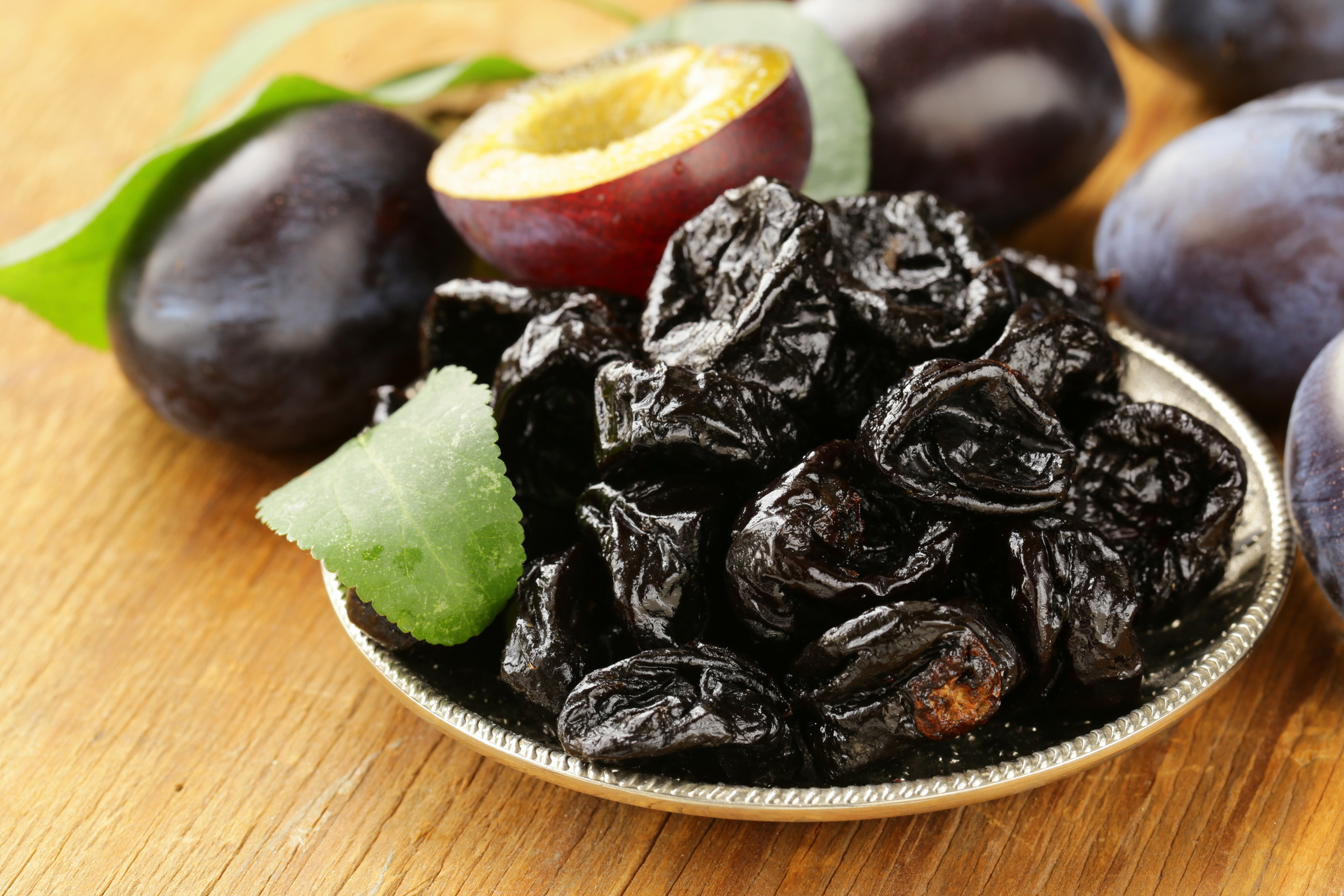
dreamstime_m_45002509As women age, bone health becomes a top priority—especially after menopause, when estrogen levels decline, increasing the risk of osteoporosis. While calcium and vitamin D often take the spotlight in bone health discussions, prunes (dried plums) are emerging as a powerful, natural food for maintaining and improving bone density.

Recent research highlights that prunes can help slow bone loss, reduce inflammation, and promote bone formation, making them a valuable addition to any osteoporosis prevention plan. Let’s explore how prunes support bone health and how to incorporate them into your diet.

Why Bone Health Declines After Menopause

During menopause, estrogen levels drop, leading to accelerated bone resorption (bone breakdown) without a corresponding increase in bone formation. This imbalance results in:

  • Loss of bone mineral density (BMD)
  • Weaker bones, increasing the risk of fractures
  • Higher likelihood of developing osteoporosis

To combat these effects, nutrition plays a crucial role—and prunes are proving to be a powerful ally in maintaining bone strength.

The Science Behind Prunes and Bone Health

1. Prunes Help Prevent Bone Loss

A 2022 study published in Advances in Nutrition found that daily consumption of prunes helps prevent bone loss in postmenopausal women. The study analyzed multiple trials and concluded that eating 5-10 prunes per day can significantly maintain or even improve bone mineral density (BMD)

2. Rich in Bone-Protective Nutrients

Prunes contain key vitamins and minerals essential for bone health, including:

  • Vitamin K – Crucial for bone metabolism and calcium absorption.
  • Boron – Supports bone growth and the metabolism of minerals like calcium and magnesium.
  • Potassium – Helps neutralize bone-depleting acids in the body.
  • Polyphenols – Plant compounds that act as antioxidants, reducing inflammation and oxidative stress that contribute to bone loss.

3. Anti-Inflammatory Properties

Chronic inflammation is a major contributor to osteoporosis. Prunes contain polyphenols, which have been shown to reduce inflammatory markers that contribute to bone degradation. (Food Funct.)

4. Supports Gut Health for Better Calcium Absorption

A healthy gut microbiome plays a key role in calcium absorption. Prunes contain both soluble and insoluble fiber that promotes gut health, ensuring optimal nutrient absorption. This indirect benefit enhances the bioavailability of bone-building minerals like calcium and magnesium.

How Many Prunes Should You Eat for Bone Health?

Research suggests that consuming 5-10 prunes per day provides significant bone health benefits without excessive sugar intake.

  • For prevention: 5 prunes per day
  • For improving bone density: 10 prunes per day

Prunes are naturally sweet, making them a convenient snack without added sugars or artificial ingredients.

Easy Ways to Incorporate Prunes Into Your Diet

If eating prunes straight from the bag isn’t appealing, try these delicious ways to include them in your diet:

  • Blend into smoothies with Greek yogurt and nuts for a bone-boosting breakfast.
  • Chop and toss into salads with leafy greens, goat cheese, and walnuts.
  • Add to oatmeal or yogurt for natural sweetness and fiber.
  • Use in savory dishes like stews, quinoa bowls, or roasted vegetables.
  • Make prune energy bites with nuts, coconut, and seeds for a nutritious snack.

Are Prunes Better Than Other Dried Fruits for Bone Health?

Unlike raisins, dates, or apricots, prunes contain a unique combination of polyphenols, boron, and vitamin K, specifically linked to bone health. While other dried fruits have benefits, prunes stand out as the best choice for preserving bone density.

More Bone-Boosting Foods to Include

While prunes are a powerful tool for bone health, combining them with other bone-building foods creates an even stronger foundation for preventing osteoporosis.

For more information on other natural compounds that support bone density, check out our related blog:
Nutraceuticals for Stronger Bones: How Nature’s Compounds Can Help Prevent Osteoporosis

Final Thoughts: Can Prunes Help Prevent Osteoporosis?

Yes! The science-backed benefits of prunes—from reducing bone loss to supporting gut health—make them an excellent addition to a bone-healthy diet.

If you’re looking for a simple, natural way to strengthen your bones, adding just a handful of prunes daily can help protect against osteoporosis and improve overall bone density.

If you’re looking for personalized guidance on improving your bone health, I’d love to help! Schedule a consultation to discuss your specific needs and create a plan tailored to support your bones for years to come. Contact me here to get started!

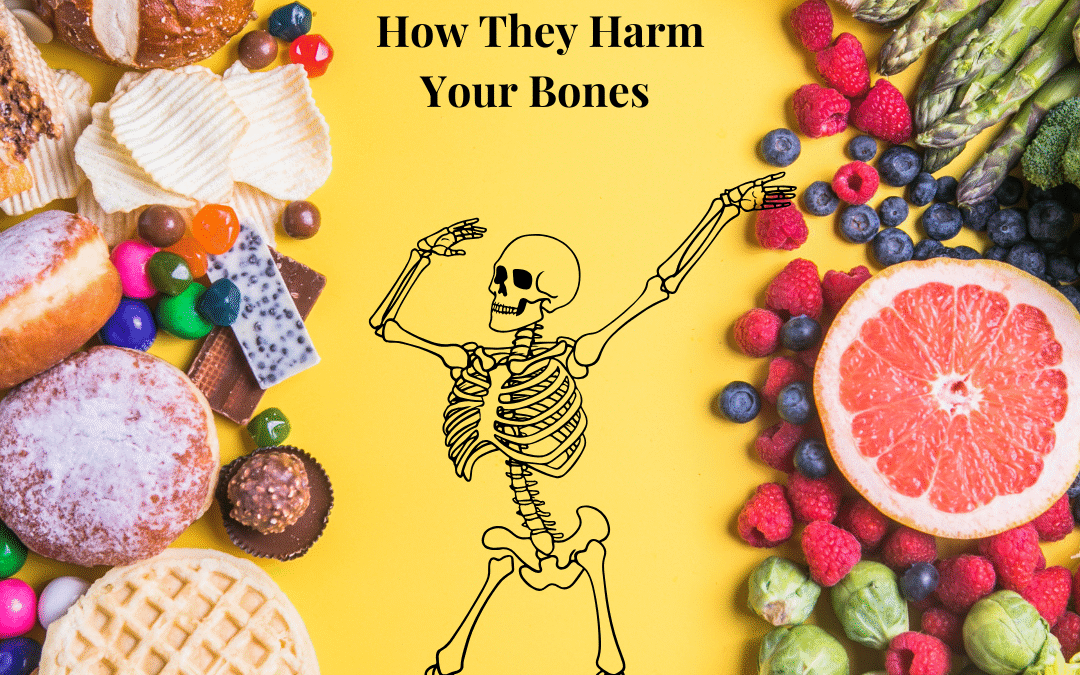
The Hidden Dangers of Ultra-Processed Foods: How They Harm Your Bones and Body

The Hidden Dangers of Ultra-Processed Foods: How They Harm Your Bones and Body

Ultra-processed foods have become a staple in modern diets, offering convenience, affordability, and irresistible flavors. But behind their appealing packaging and addictive taste lies a significant threat to your health—particularly your bones.

A 2024 meta-analysis published in The BMJ examined 32 studies and found strong links between UPF consumption and increased risks of obesity, type 2 diabetes, cardiovascular disease, certain cancers, and even all-cause mortality. Furthermore, a 2024 study in Nutrition and Metabolism revealed that a high intake of UPFs is associated with decreased bone mineral density (BMD) and an increased risk of osteoporosis.

What Are Ultra-Processed Foods?

Ultra-processed foods undergo multiple stages of industrial processing and contain additives like preservatives, artificial flavors, colors, and sweeteners. They are typically low in essential nutrients and packed with unhealthy fats, refined sugars, and sodium.

Common examples of ultra-processed foods include:

  • Sugary cereals and granola bars
  • Sweetened and flavored yogurts
  • Packaged snacks (chips, crackers)
  • Sodas and sugary drinks
  • Processed meats (hot dogs, sausages, deli meats)
  • Pre-prepared pizzas, pasta, chicken nuggets, and fish sticks
  • Instant soups and frozen ready-to-eat meals
  • Store-bought pastries, cookies, cakes, packaged breads, and buns
  • Margarines and processed spreads

These foods are designed to be hyper-palatable, making them easy to overconsume—leading to long-term health risks, including serious damage to your bones.

How Ultra-Processed Foods Harm Your Bones and Body

Regular consumption of ultra-processed foods can have serious negative effects on your bones and overall health. Here’s how:

  1. Nutrient Deficiencies

UPFs are stripped of essential nutrients like fiber, vitamins, and key bone minerals such as magnesium, phosphorus, potassium, and zinc—critical for maintaining bone density and strength.

  1. Increased Inflammation

Loaded with refined sugars and unhealthy fats, UPFs promote chronic inflammation, which disrupts bone remodeling, accelerates bone loss, and impairs bone formation—putting you at higher risk for osteoporosis.

  1. Acidic Burden on the Body

Many ultra-processed foods contribute to an acidic environment in the body. To neutralize this acidity, your body pulls calcium from bones, gradually weakening them over time.

  1. Gut Health Disruption

A healthy gut microbiome is essential for optimal nutrient absorption, including calcium and magnesium. The artificial additives, preservatives, and emulsifiers in ultra-processed foods can damage gut bacteria, impairing digestion and nutrient uptake—ultimately compromising bone health.

  1. Blood Sugar Spikes and Hormonal Imbalance

Refined carbohydrates and sugars in ultra-processed foods cause rapid spikes in blood sugar, leading to insulin resistance over time. This hormonal imbalance can interfere with bone formation and contribute to conditions like osteoporosis and metabolic disorders.

  1. Energy Drain That Zaps Your Motivation

 Despite being calorie-dense, UPFs lack essential nutrients, leading to fatigue and decreased motivation to engage in physical activity—a key factor for maintaining bone strength.

How to Reduce Ultra-Processed Foods and Promote Bone Health

Reducing UPFs may seem overwhelming, but with small, consistent changes, you can transition to a healthier, whole-food diet. Here’s how:

1. Read Ingredient Labels Carefully

Avoid foods with long ingredient lists packed with artificial additives, preservatives, and chemicals. A good rule of thumb: If you can’t pronounce it, don’t eat it.

2. Cook More Meals at Home

Home-cooked meals allow you to control ingredients and avoid processed additives. Focus on fresh vegetables, lean proteins, and healthy fats.

3. Stock Up on Whole, Nutrient-Dense Foods

Fill your kitchen with:

  • Fresh fruits and vegetables
  • Whole grains (quinoa, brown rice, oats)
  • Nuts and seeds
  • Lean proteins (chicken, fish, eggs)
  • Healthy fats (avocados, olive oil)
  • Spices and herbs to add flavor without artificial ingredients

4. Swap Processed Snacks for Healthier Alternatives

Instead of chips or cookies, try:

  • Nuts and seeds
  • Fresh fruit with nut butter
  • Homemade energy bars with oats, dates, and nuts

5. Plan and Prep Your Meals

Having healthy meals and snacks ready helps reduce the temptation to grab processed foods when you’re busy.

6. Practice Mindful Eating

Before reaching for a snack, pause and assess your hunger. Are you eating out of hunger or emotion? Mindful eating helps you avoid unnecessary snacking on processed foods.

7. Make Gradual Changes

Cutting out all ultra-processed foods at once can be overwhelming. Start by eliminating one or two items at a time and replacing them with healthier options.

Final Thoughts

Ultra-processed foods may be convenient, but their long-term effects on your bones and overall health can be devastating. By making mindful choices and focusing on whole, nutrient-rich foods, you can support your bones, reduce inflammation, and improve your overall well-being.